

Why development must listen to street culture
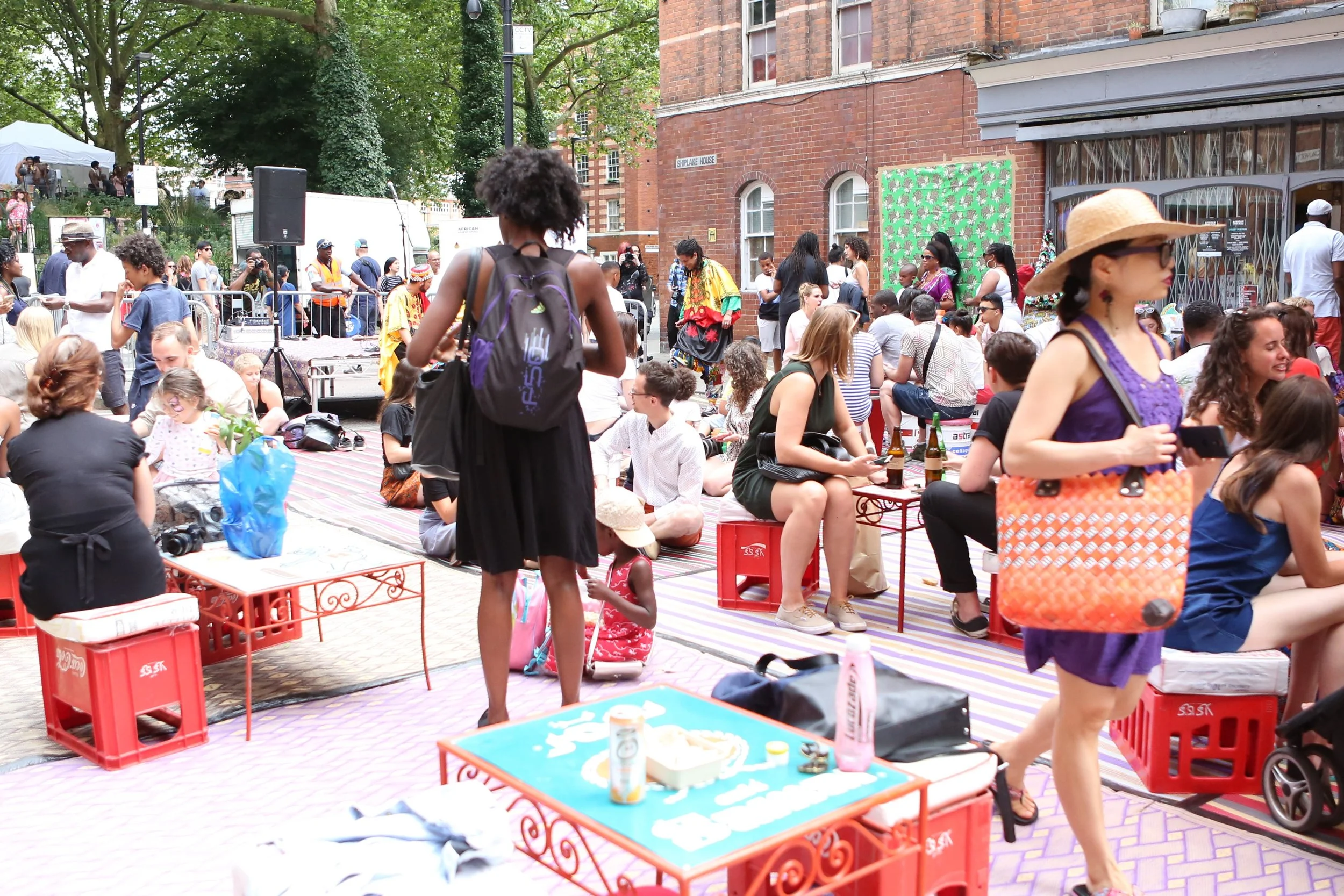
Street Style Festival @ Shoreditch, London
Cities are made of more than plans, steel and glass….
… they are animated by the everyday gestures of people on the street: the markets, styles, music, skate lines, murals and impromptu gatherings that give a place its local rhythm. When new projects ignore that pulse, they risk delivering inert showpieces; when they design with it, they create resilient, loved places that last.
Recent, large-scale projects in London show both the stakes and the opportunity. The reimagined Olympia — arriving with a new ICC, theatre, music arena and hospitality offer — is being pitched as a buzzing cultural hub that must plug into local life rather than displace it. (The Standard)
Meanwhile Earls Court’s £10bn masterplan — just given major approvals — promises 4,000 homes, multiple cultural venues and 20 acres of public realm. That scale makes it a test case: will the streets be programmed and scaled for everyday culture (street stalls, buskers, local creatives) or largely curated for commercial footfall? The design choices will determine whether this becomes a district that feels like a city or a gated megaplex. (The Times)
East London’s Stratford shows how integration can work: layers of investment — from Westfield and Stratford Cross to estate regeneration and public-realm upgrades — are reshaping transport, green routes and local spaces that people already use for nightlife, markets and informal performance. Thoughtful street-level interventions (wider pavements, cycle tracks, rain gardens, pocket parks) turn redevelopment into an amplifier for street culture rather than its eraser. (Estates Gazette)
Practically, that means architects and developers must design for adaptability (moveable stalls, flexible frontages), acoustics that let music live without becoming nuisance, and ground-floor tenancies affordable to independent traders and creatives. It means measuring success not just in square metres or headline economic figures but in daily uses: does a street host an evening hub, a daytime market, kids’ games, or local artists?
At these pivotal London sites — Olympia, Earls Court and Stratford — the opportunity is clear: large capital projects can either sterilise urban life or act as incubators for it. If architecture takes street culture seriously, design will create streets that are legible at human scale, hospitable to informal economies, and legible to the eclectic styles that make cities human. Those are the places people return to, not because they were advertised well, but because they feel like home.