

Sound System City
Music · Migration · Technology · Politics · Place
Sound System City is an ongoing body of work exploring London's sound-system culture and its relationship with music, technology, migration, politics, place and cultural identity.
It begins with music, but the enquiry is wider
A culture built from the city
Sound-system culture travelled from Jamaica to Britain with post-war migration and became deeply embedded within the cultural life of London.
Its influence extends far beyond reggae and dub.
The sound system introduced particular ways of producing, selecting and experiencing music: the selector, MC, dubplate, version, remix and an emphasis on the physical quality and power of sound.
These practices subsequently travelled through British music — into rare groove, hip-hop, jungle, drum and bass, garage, grime, dubstep and contemporary electronic music.
.
But the story is also spatial. Sound systems created their own cultural geography. Community centres, church halls, youth clubs, basements, warehouses and improvised venues became places where music could develop outside mainstream cultural institutions. This DIY character is fundamental to Sound System City. Where formal cultural infrastructure was unavailable, communities created their own
Sound System Culture, London
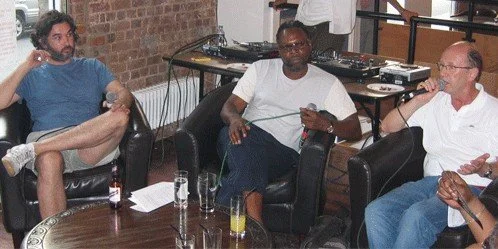
An early strand of this enquiry brought together three figures whose careers represent different dimensions of British sound-system culture:
David Rodigan
Jazzie B
Stuart Baker / Soul Jazz
The discussion considered the condition of sound-system culture in London, its historical influence and the emergence of the individual DJ as the increasingly dominant figure within club culture.
The discussion also raised a larger question.
Even where the traditional sound system — selectors, MCs, records, amplification and crew — is less visible, how much of contemporary British music continues to operate through ideas established by sound-system culture?
The influence is found not simply in particular genres, but in a way of doing things: building your own audience, finding your own spaces, creating your own infrastructure and allowing music to travel between communities.
Sounds of Political Freedom
Music has never existed separately from politics.
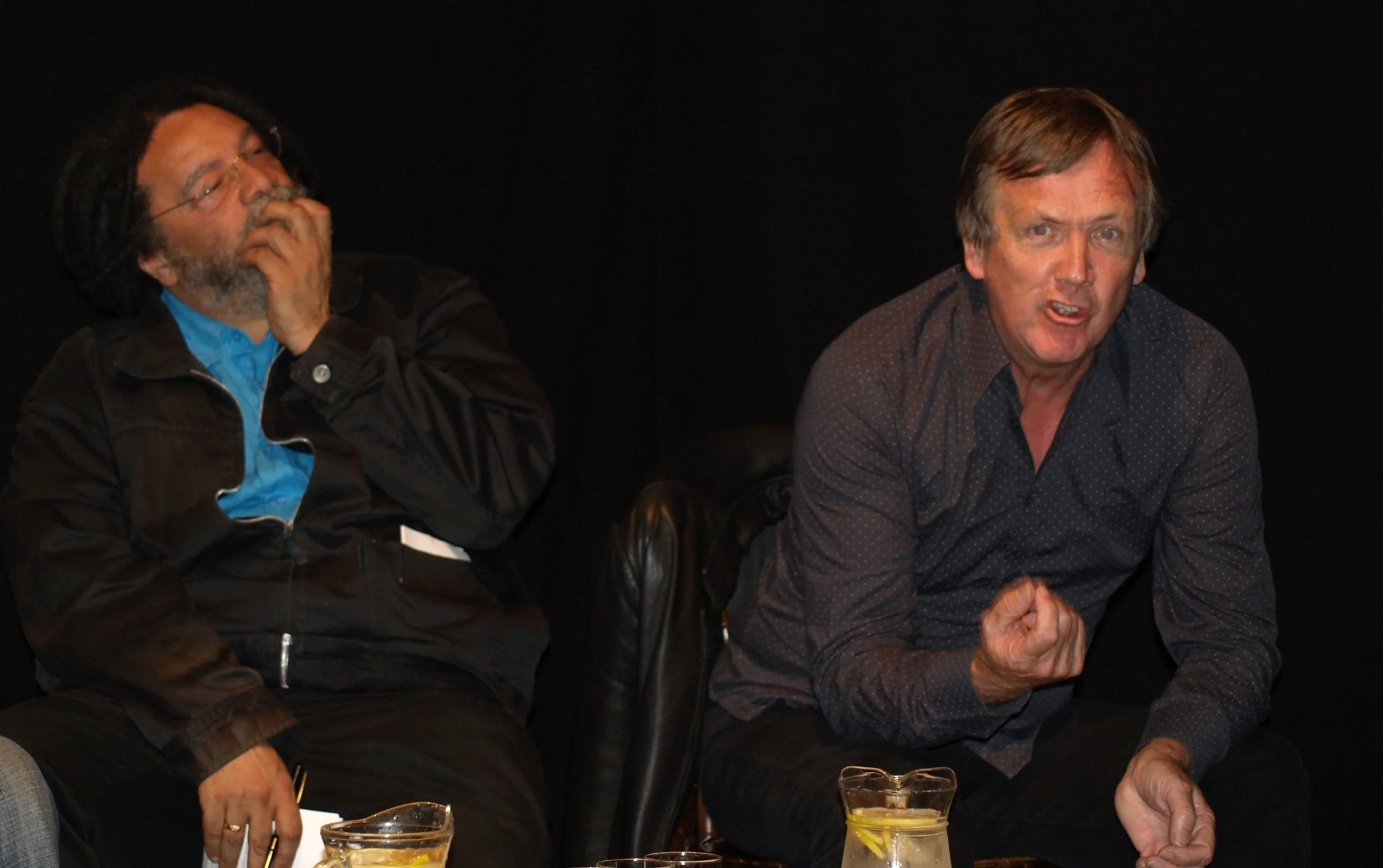
At the King's Head Theatre in London, Sound System City's wider enquiry into music and society developed through Sounds of Political Freedom, bringing together:
Professor Paul Gilroy
Robin Denselow
Stuart Baker
The discussion considered the relationship between political discourse and music: how protest, resistance and political ideas have historically entered popular music; how this differs between genres and places; and how political expression travels through the international music cultures sometimes described as “world music”.
The event extended the enquiry beyond sound-system technology towards the ideas carried through music itself.
A record can entertain. It can also document a political moment, articulate resistance, carry news, preserve memory or allow experiences from one part of the world to enter another.
Music becomes another kind of archive.

Le Premier Rasta
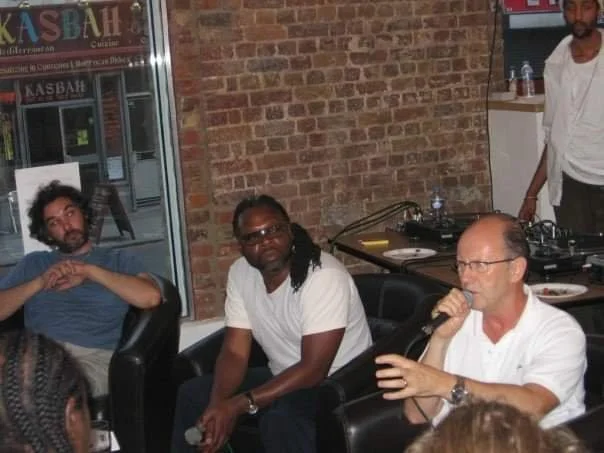
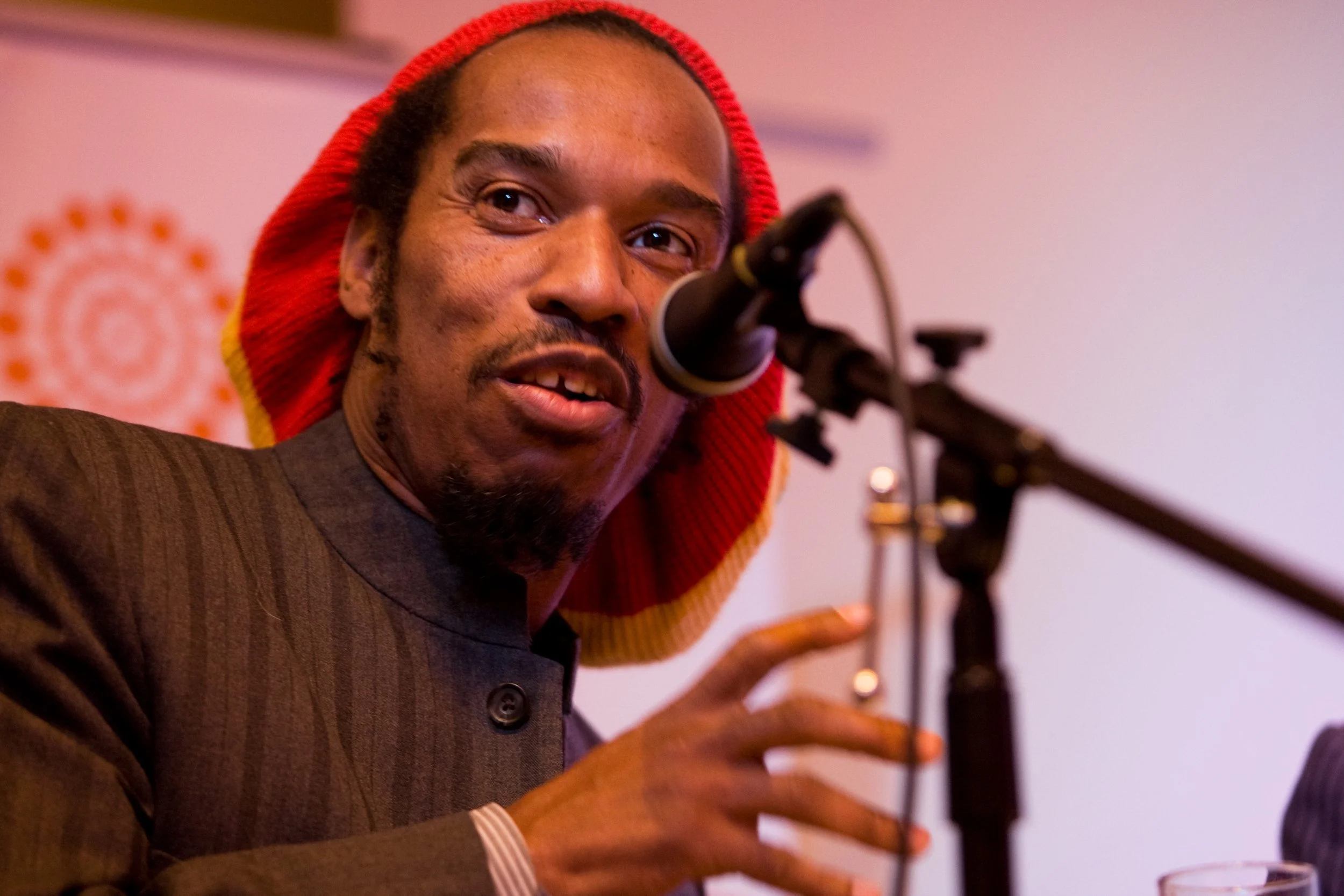
The relationship between music, history and political thought was explored differently through a screening of Hélène Lee's Le Premier Rasta at Hackney Picturehouse.
The programme brought together:
Hélène Lee
Benjamin Zephaniah
Aba Shanti
Lee's film traces the extraordinary story of Leonard Percival Howell, one of the foundational figures of Rastafari, and the community established at Pinnacle in colonial Jamaica.
The screening was followed by discussion and music, placing the historical narrative alongside contemporary voices connected to Rastafari, poetry and London's sound-system tradition.
This was important because the story of sound systems cannot be understood simply through equipment, records or clubs. Behind the music are histories of colonialism, migration, spirituality, political resistance and cultural independence.
Sound System City is interested in those connections.
Sound and place
There is also a distinctly urban question running through the project. What does sound do to a place?
A sound system can temporarily transform an ordinary space, a street becomes a dance. A community hall becomes a club. A vacant building becomes a cultural venue. A neighbourhood becomes associated with a particular sound, generation or musical movement. London's musical history is filled with places that acquired significance in precisely this way — often without being designed or formally designated as cultural spaces. This raises questions that connect directly with my wider interest in cities and regeneration.
How should cities recognise forms of cultural heritage that are temporary, mobile or informal? What happens when the buildings and spaces associated with a musical culture disappear? And how do we document cultural histories whose most important archives may exist in people's memories, record collections, photographs, flyers, speaker boxes and stories?
Sound System City — the continuing enquiry
Sound System City is therefore not conceived as a retrospective exhibition of sound-system nostalgia. It is an evolving cultural enquiry.
Its next phase brings together photography, oral history, archive, mapping, debate, technology and participation by younger generations to explore London's sound-system geography and its continuing influence. This means documenting not only famous systems and established figures, but places, communities and less visible histories.
There is also an important generational question. The technologies have changed dramatically — from handmade speaker boxes and vinyl to laptops, digital production, streaming and globally networked music — but the instinct to create culture independently has not disappeared.
A city heard differently
Sound System City ultimately asks us to listen to London differently. Cities are usually documented through buildings, architecture, monuments and maps.
But they can also be understood through sound. Music reveals patterns of migration. Venues reveal where communities gathered. Record shops reveal networks of exchange. Sound systems reveal how people created cultural infrastructure for themselves. And the movement of musical ideas between Jamaica, Africa, the Caribbean, Britain and the wider world reveals London not as an isolated city, but as part of a much larger international cultural conversation.
Sound System City is an attempt to document that city — not simply as somewhere that produced music, but as somewhere that music helped to produce.